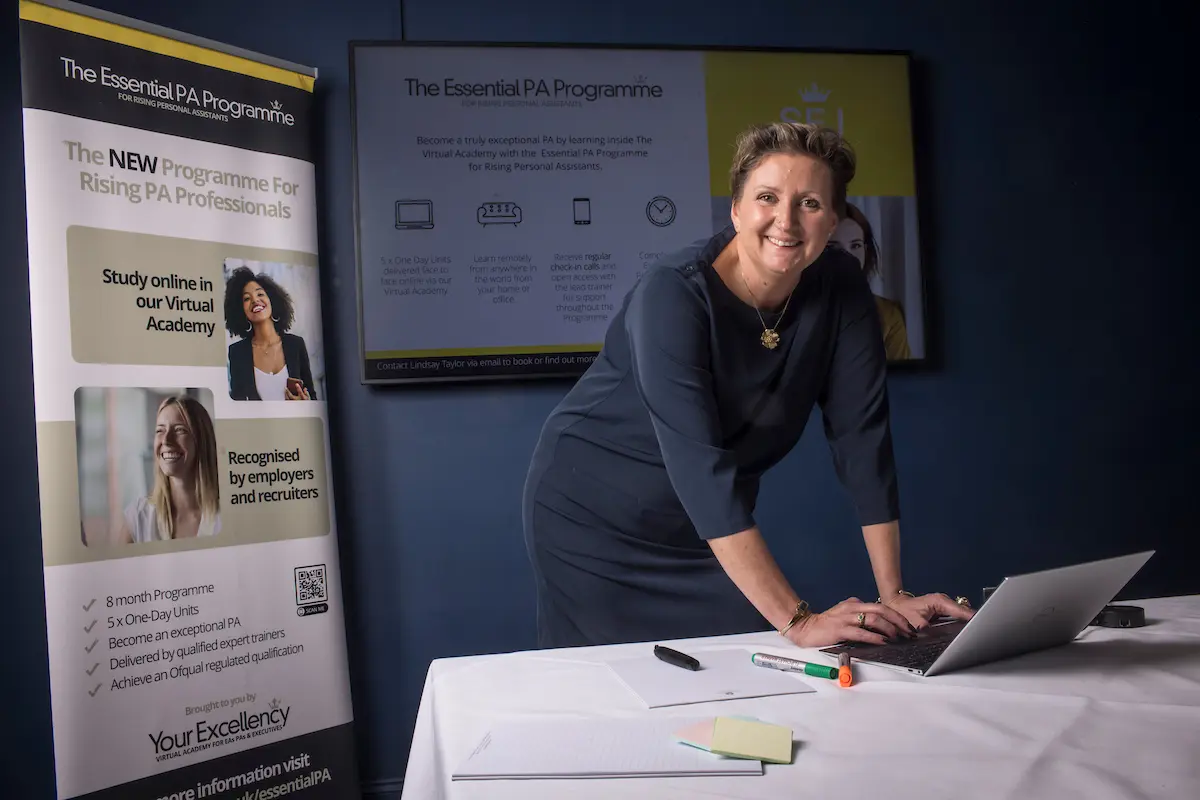
| Welcome to 🍏Lunch n Learn with Lindsay🍏 Issue 227. If you missed the intro to this Meta Programmes topic, you can catch up here. This week we are covering the People V Task Meta Programme. Where do you “sit” on the behaviour line? Where does your Executive or team member “sit”? What are the similarities in your behaviour? What are the differences? How can you adapt your language to create better rapport and ensure the very best working relationship? How can you take your newfound learning and put it into practice to benefit you, your Executive and your organisation? The People V Task Meta Programme aligns with Carl Jung’s work which identifies different communication styles (resulting in many of today’s personality profiling tools like Disc, The Myers–Briggs Type Indicator (MBTI) and Insights). If you have a predominant People Meta Programme focus you will put the individuals, teams and people at the top of your conversation. You will talk in “first-name” terms and there is a human-connection in your approach. If you have a predominant Task Meta Programme focus you will hone in on the task in hand and “what needs to be done”. This can result in a conversation that is lacking in human connection and rapport however you will probably be adept at achieving results with your emphasis on “getting what needs to be done, done!”! In our Essential PA Programme (which incorporates a new EA/PA Qualification, SFJ Awards Level 3 Award in Professional Executive Assistant, Personal Assistant and Administration Skills) we cover the different communication styles as identified by Jung and then add some fun with Nigel Risner’s “It’s a Zoo around here” book – have you ever considered yourself or your Executive to be a Lion, a Monkey, a Dolphin or an Elephant?! It’s a fun but hugely insightful way of considering how you can tailor your language for enagement. |