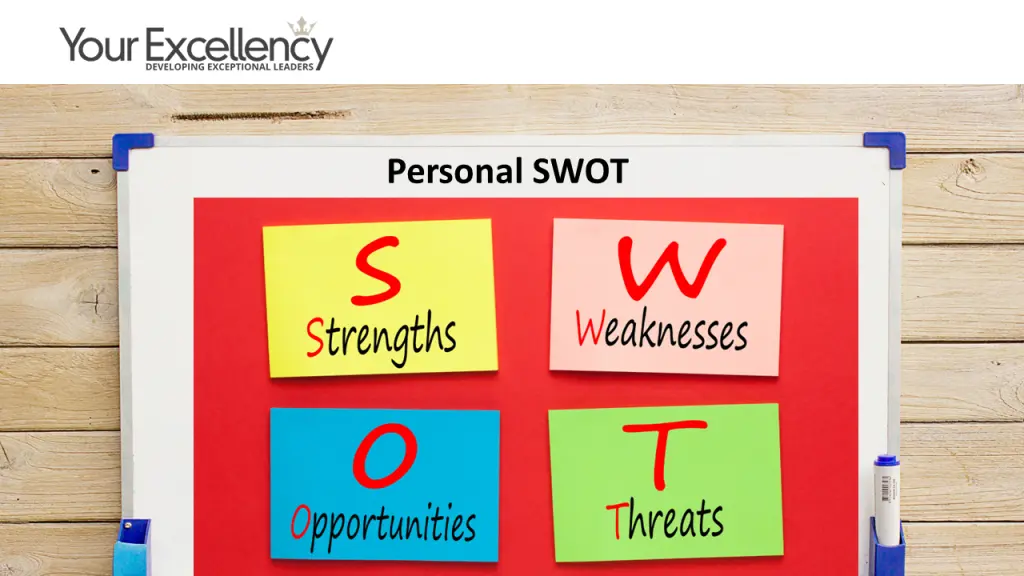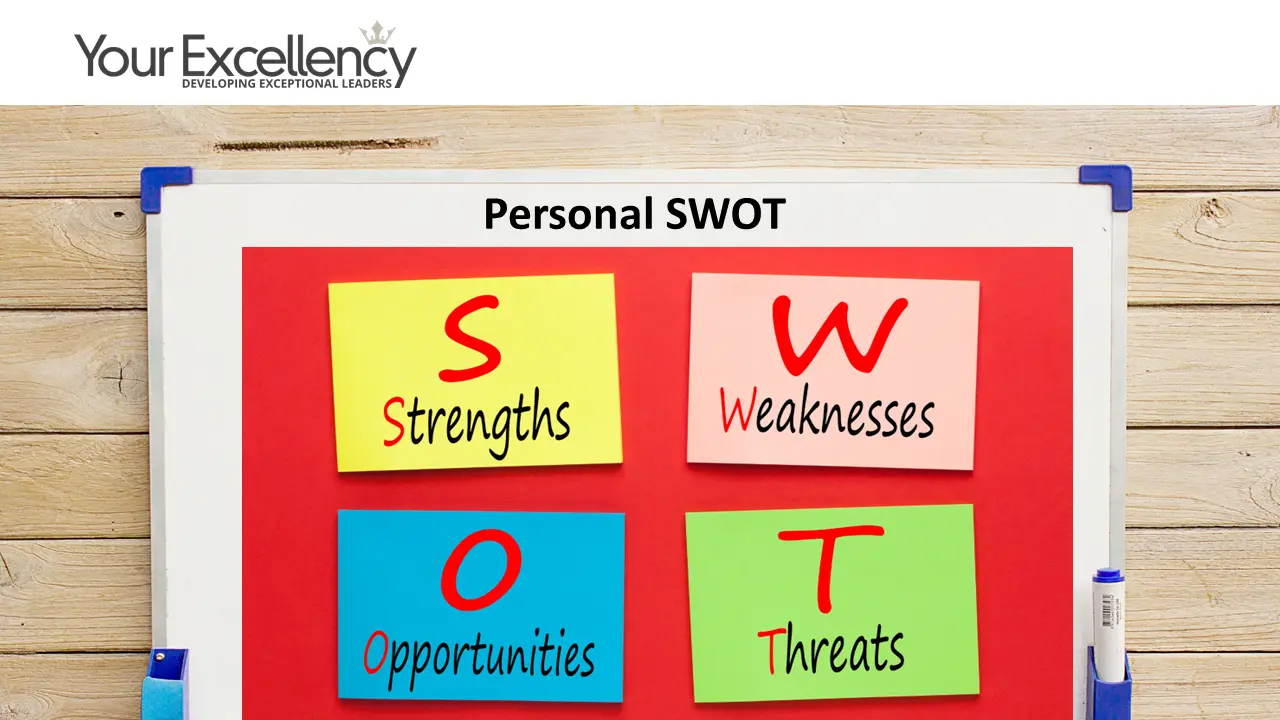
| Conducting a Personal SWOT: A Practical Tool for Self-Awareness and Growth Whether you’re planning your next career move, setting personal goals, returning to study, or simply taking stock of where you are in life, a Personal SWOT analysis is one of the simplest yet most effective self-reflection tools you can use. Originally designed as a business strategy framework, SWOT stands for: Strengths Weaknesses Opportunities Threats When applied personally, it helps you create a clear “snapshot” of yourself at a specific point in time, giving you valuable insight into where you are now, what’s helping you move forward, and what may be holding you back. A Personal SWOT can support: ✔️Career planning and development ✔️Goal setting ✔️Decision-making ✔️Building confidence and self-awareness ✔️Interview and CV preparation ✔️Identifying development needs and ✔️Creating a personal strategy for the future Most importantly, it encourages honest reflection and intentional action. Why Conduct a Personal SWOT? Life and work are constantly evolving. Skills become outdated, priorities shift, opportunities appear unexpectedly, and challenges emerge when we least expect them. A Personal SWOT helps you pause and assess: – What you do well – Where you could improve – What opportunities are available to you – What risks or barriers may impact your progress Think of it as a strategic check-in with yourself. Rather than drifting from one task or goal to another, you gain a structured overview of your current position and can make more informed decisions about what to do next. The Benefits of Your “Personal Snapshot” One of the most powerful outcomes of a Personal SWOT is the clarity it creates. Your completed SWOT becomes a personal “snapshot”, a record of where you are right now, including your skills, mindset, opportunities, ambitions, and challenges. This snapshot can help you: Identify Patterns You may notice recurring strengths, habits, or challenges that influence multiple areas of your life. Build Confidence Many people underestimate their abilities. Seeing your achievements, strengths, and successes written down can be incredibly empowering. Create a Personal Strategy A SWOT helps you move from vague intentions to strategic action: Which strengths should you lean into? Which weaknesses need attention? Which opportunities should you pursue? Which threats need managing? Support Career Development Your strengths and achievements can help shape: CV personal statements Interview answers Promotion applications Professional development plans Make Better Decisions If you’re at a crossroads, considering a career change, new qualification, relocation, or lifestyle shift, your SWOT can provide perspective and direction. Track Progress Over Time A SWOT is not a one-time exercise. Repeating it every few months allows you to compare snapshots and see how you’ve developed. Best Practice Tips Before You Start To get the most value from the exercise, it’s worth approaching it thoughtfully. 1. Be Honest With Yourself The more honest you are, the more useful your SWOT will be. This is not about criticism or perfection, it’s about awareness. A weakness identified honestly becomes an opportunity for growth. 2. Consider Yourself as a Whole Person Don’t limit yourself to work or education. Personal achievements matter too: Raising a family Volunteering Running a marathon Learning a language Supporting others through challenging times These experiences often reveal important strengths such as resilience, empathy, organisation, or determination. 3. Use Evidence Avoid vague statements like: “I’m good with people” Instead, ask: What evidence supports this? What feedback have I received? What examples can I give? Evidence creates clarity and confidence. 4. Minimise Distractions Set aside uninterrupted time, ideally 20–30 minutes minimum. Grab a notebook or a large sheet of paper and focus fully on the exercise. 5. Write Things Down Writing helps organise your thoughts and encourages deeper reflection. Date your SWOT too, so you can revisit and compare future versions. It can help to use different coloured ink for each quadrant of the exercise – what colour represents Strengths to you? Weakeness? Opportunities and Threats? 6. Ask for Feedback Sometimes others see strengths and blind spots we miss ourselves. Consider asking trusted friends, colleagues, mentors, or family members: “What do you think I do well?” “Where do you think I could improve?” How to Conduct a Personal SWOT Draw a large square and divide it into four sections labelled: Strengths Weaknesses Opportunities Threats Then work through each area honestly and thoughtfully. 1. Strengths Strengths are your internal positives, the qualities, skills, experiences, and attributes that help you succeed. What personality traits are your strengths? What positive feedback do you regularly receive? What qualities help you build relationships or solve problems? What skills or abilities are you strongest in? What knowledge or expertise do you have? What do people come to you for help with? What achievements are you most proud of? What challenges have you overcome? What strengths helped you achieve those successes? What motivates you? What values guide you? What networks or connections do you have? (It is regularly cited that 60% of your career progression can be attributed to “networking”. Leverage “who you know” alongside “what you know”) What qualifications, training, or experience set you apart? 2. Weaknesses Weaknesses are areas where you may lack confidence, knowledge, experience, or consistency. Remember: weaknesses are not failures. They are areas for development and self-awareness. What tasks do you avoid because you don’t feel confident doing them? Which skills need improvement? What habits hold you back? What feedback have you received repeatedly? What situations reduce your confidence? Are there gaps in your education or experience? What drains your energy or motivation? It’s also useful to separate: Weaknesses you want to improve Weaknesses you can manage or work around Not every weakness needs fixing but every weakness should be understood. 3. Opportunities Opportunities are external factors that could help you grow, progress, or improve your situation. These often come from: Trends Networking Learning Technology Relationships New experiences What training, courses, or certifications could help you? Are there projects or responsibilities you could volunteer for? What networking opportunities are available? Could your strengths open doors in new areas? What industry or life trends could benefit you? Is there a skill gap you could fill? Could improving a weakness create new opportunities? What new technologies or tools could support your growth? 4. Threats Threats are external risks or challenges that could affect your progress or goals. The purpose is not to create fear, it’s to increase awareness and help you be prepared and ready to tackle challenges. What obstacles are currently affecting you? Are there changes happening in your workplace or industry? Could technology impact your role or future plans? Are there financial, personal, or environmental pressures? Is competition increasing in your field? Could any of your weaknesses become bigger challenges later? Awareness of threats allows you to plan proactively rather than reactively. Turning Reflection Into Action The real value of a Personal SWOT comes after the exercise. Once completed, review your answers and ask yourself: What stands out most? What themes appear repeatedly? Which strengths can I use more intentionally? Which weaknesses need action? Which opportunities should I prioritise? What threats need a contingency plan? Then create a small action plan. For example: Start a course Update your CV Improve a skill Build your network Volunteer for a project Set clearer goals Seek mentoring or coaching Even one small action can create momentum. Final Thoughts A Personal SWOT is simple, practical, and surprisingly powerful. It encourages self-awareness, strategic thinking, and honest reflection, all essential for personal and professional growth. Most importantly, it reminds you that growth rarely happens by accident. It happens when we pause, reflect, and make intentional choices about what comes next. Your SWOT is not a judgement of who you are. It’s a snapshot of where you are now — and a useful guide for where you want to go next. |