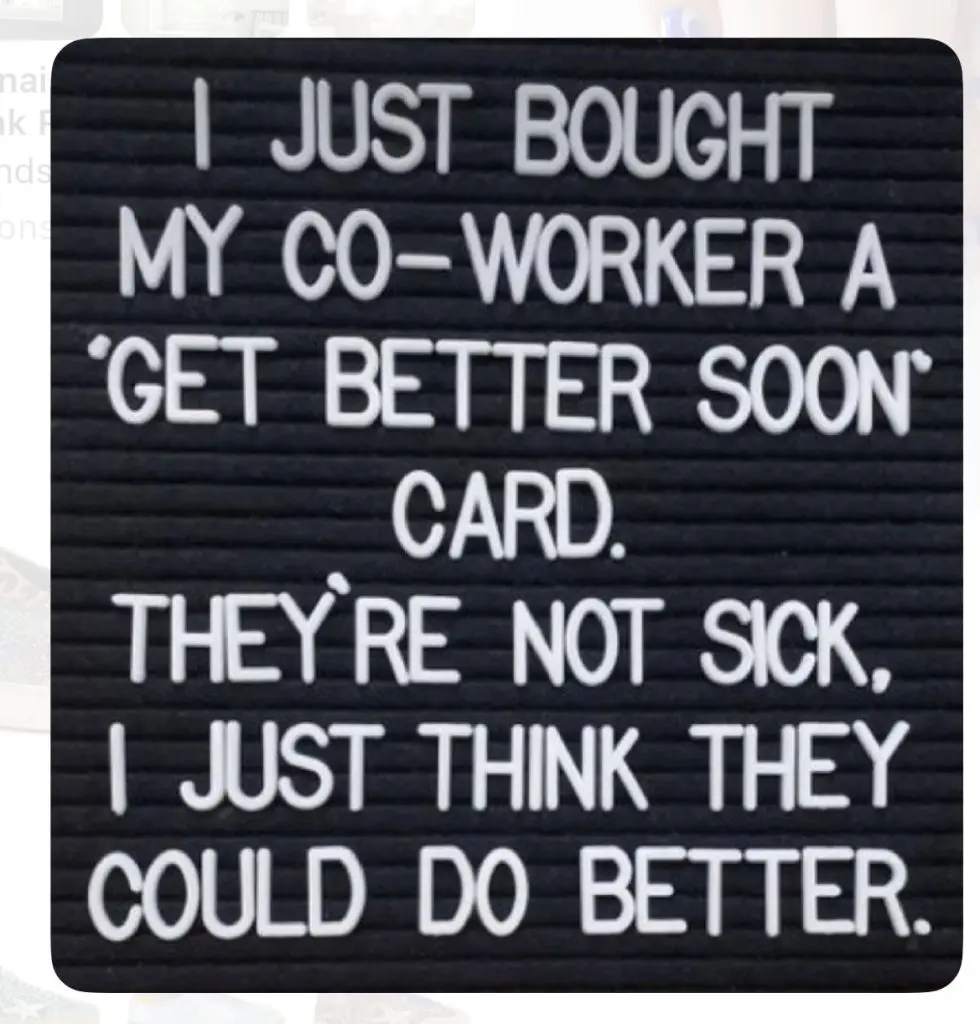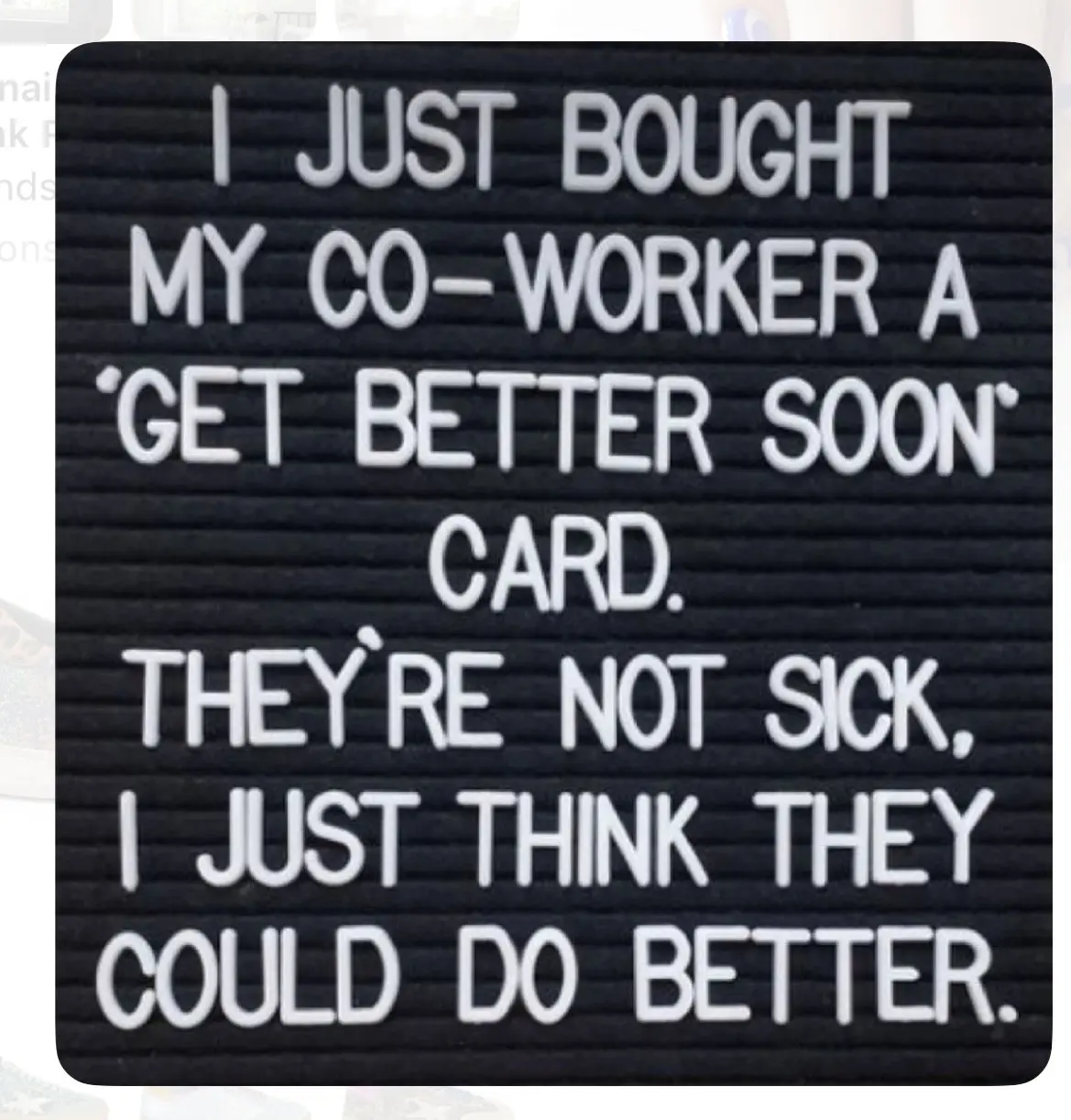
| Welcome to 🍏Lunch n Learn with Lindsay🍏 Issue 239 You regularly ask me where I got my inspiration for these posts. And my response is “all over!”. I may hear something, read something or experience something that sparks my creativity, which spurs me into a writing frenzy with a learning emphasis. Yesterday, sat cuddled on the sofa with the log burner ablaze (our boiler has broken and we are awaiting an engineer to fix it so the lounge is the only cosy place in the house at the moment – urgh!), I found this quote on Pinterest… which made me giggle, then I considered it in terms of a challenging situation that you may find yourself in at work. How to Handle a Team Member Who Isn’t Pulling Their Weight (and introducing the AIDA Assertive Model). 1. Recognise the Problem Every successful team thrives on collaboration, shared responsibility, and mutual respect. But what happens when one team member doesn’t pull their weight? It can lead to frustration, resentment, and a decline in overall productivity. Left unaddressed, this issue can impact team morale and the quality of work. Recognising the signs early—missed deadlines, avoidance of responsibility, or lack of initiative—is the first step to resolving the situation effectively. 2. Understand the Causes Before jumping to conclusions, it’s essential to explore why the team member is underperforming. Common reasons might include: Lack of clarity about their role or expectations Feeling undervalued or disengaged Personal or professional challenges affecting performance Skills gaps or lack of training Poor communication or team dynamics By approaching the situation with curiosity rather than frustration, you create an opportunity for open and constructive dialogue. 3. Encourage a Positive Shift Once you understand the root cause, you can work towards a resolution that benefits both the individual and the team. Using the AIDA Assertive Model, follow these steps: A = Acknowledge Acknowledge your team member’s perspective. “I understand and appreciate that you’ve had a lot on your plate recently.” I = Impact State the impact of their actions. “However, when tasks aren’t completed on time, I’m sure you’ll appreciate that its puts extra pressure on the rest of the team.” D = Desired Outcome Put forward how this situation can be improved. “I would love for you to be more engaged in our projects. How can I support you in making this happen?” A – Agreement Open up the conversation and get their agreement to a plan of action. “Can we agree on clearer deadlines and a check-in system moving forward?” Using the AIDA Assertive Model ensures the conversation remains solution-focused rather than accusatory. It “steps into the shoes” of your team member to provide an empathetic understanding of what’s potentially happening for them. It also gets them to consider the impact from your perspective. 4. Implement Change To create lasting improvement, put a plan in place: ✅ Set Clear Expectations – Define roles, responsibilities, and deadlines to avoid ambiguity. ✅ Provide Support & Training – Offer resources or coaching if skills gaps are an issue. ✅ Encourage Accountability – Regular check-ins and transparent workflows keep everyone responsible. ✅ Recognize & Reward Progress – Positive reinforcement goes a long way in motivating change. By addressing the issue with open, honest communication and fostering a culture of accountability, you can turn a challenging situation into an opportunity for growth—for the individual and the team. Further your learning – Now think about where else you could use the AIDA model. What challenges have you faced in the past where this would have been a great model to help you structure your communication? What challenges might you face in the future that you could apply AIDA to? |